Cairns grew from a swampy port settlement into a major tropical city, and that history is written in the ground beneath every slab and footing. The coastal plain mixes estuarine muds with decomposed granite from the escarpment, so two blocks on the same street can sit on completely different profiles. We run exploratory test pits as a first move on many jobs because nothing replaces seeing the soil structure with your own eyes, checking moisture, and taking bulk samples from exactly the right horizon. When the pit hits residual clay at 1.4 metres in Edge Hill but sandier colluvium over in Whitfield, you adjust your bearing assumptions before the structural engineer even asks.
A half-metre of desiccated crust can mask two metres of soft clay beneath it — test pits in Cairns reveal what the surface hides.
Service characteristics in Cairns
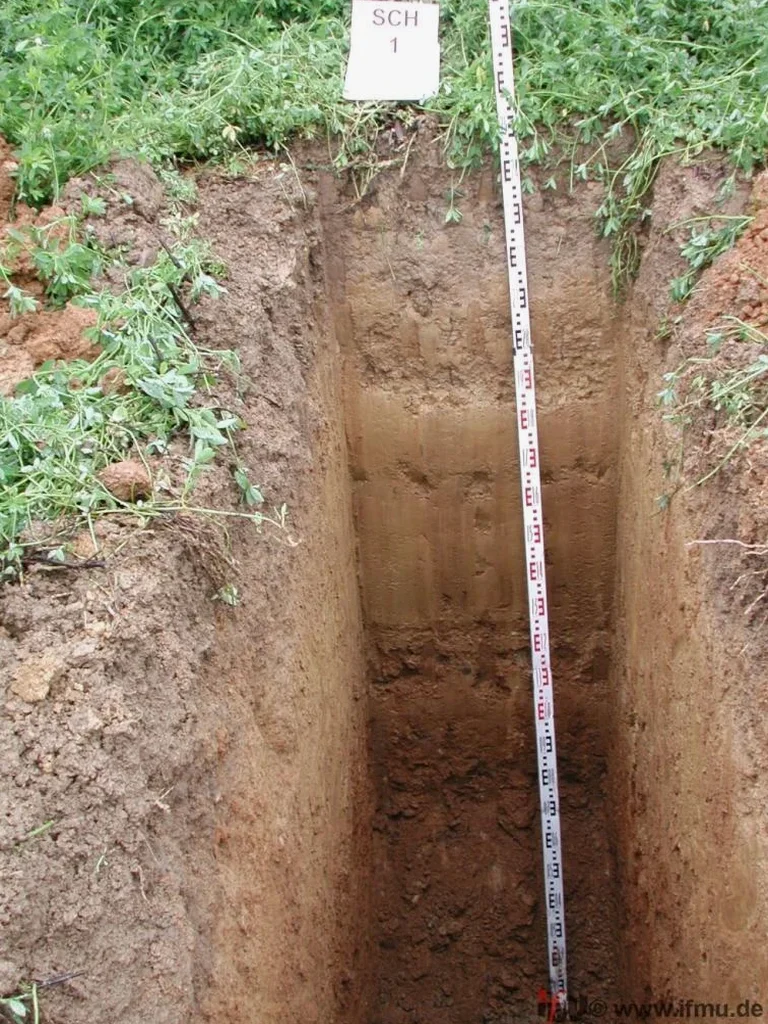
What we see most often in the suburbs north of the city centre is a layer of fill over natural alluvium, sometimes with a thin crust of desiccated clay that gives a false sense of stiffness. Digging through that crust and exposing the softer material underneath is exactly why a test pit adds so much value compared to surface inspection alone. Our field crew photographs every face, sketches the profile, and notes groundwater ingress, because those observations feed directly into footing design and drainage recommendations later on.
Typical technical challenges in Cairns
Much of Cairns sits on the Barron Delta and the older Trinity Inlet sediments, which means layers of soft estuarine clay and loose sand are common within the first few metres. A test pit that does not reach below the desiccated crust can give dangerously optimistic readings for bearing capacity, especially in suburbs like Bungalow or Portsmith where the water table sits less than two metres down for much of the wet season. Collapse of unsupported pit walls in granular soils is a real hazard on site, so our crews follow strict entry procedures and use hydraulic shoring or battered slopes wherever the ground conditions demand it. Discovering an unexpected fill layer that contains decomposing organic material is another risk we have encountered more than once when digging in older parts of the city, and it almost always triggers a reassessment of the foundation strategy before construction proceeds any further.
Our services
Every test pit we excavate is part of a broader investigation strategy, and the samples we recover rarely stop at visual classification. Depending on what the pit exposes, we move into laboratory testing or complementary fieldwork to give you a complete ground model.
Soil sampling and laboratory testing suite
From each pit we recover bulk samples for particle size distribution, Atterberg limits, and compaction testing back at our accredited lab, ensuring the material parameters used in design reflect the actual ground conditions encountered.
In-situ density and bearing assessment
Where pit access allows, we perform direct density measurements and plate load tests at the base of the excavation to verify allowable bearing pressure, particularly useful for shallow footings on residual soils.
Q&A
How deep can you excavate a test pit in Cairns conditions?
With a small excavator on stable ground we routinely reach 3.5 to 4.5 metres, but depth depends heavily on soil type and groundwater. In loose sands or soft clays where the water table is high, we often stop at 2.5 metres and switch to borehole methods if deeper investigation is needed.
What does an exploratory test pit cost for a residential site in Cairns?
For a typical residential investigation with one or two pits, machine access, and basic sampling, the cost ranges from AU$720 to AU$1,360 depending on depth, access constraints, and the number of samples sent to the lab.
Do you need council approval to open a test pit on private land?
Generally no separate approval is required for a test pit as part of a geotechnical investigation on private property, but we always check for underground services through Dial Before You Dig and follow local Cairns Regional Council guidelines for excavation and backfilling.
Can you use a test pit instead of a borehole for a footing design?
Test pits work well for shallow footing design where the bearing stratum is within the first few metres and the soil can be inspected directly. If the design requires data beyond five metres depth, or if you need undisturbed samples from sensitive clays, we combine the pit with SPT boreholes to extend the investigation.